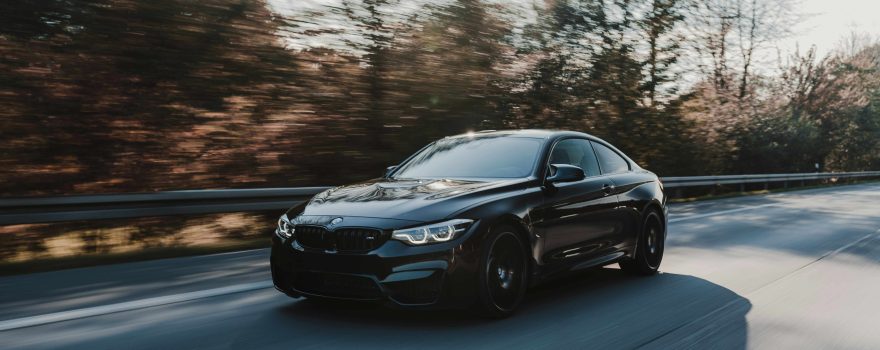
German economist Moritz Schularick has highlighted a critical transformation in Europe’s automotive sector. According to his analysis, long-established brands such as BMW, Mercedes-Benz, and Volkswagen face intense pressure to adapt or risk losing relevance by 2030. The driving forces behind this shift are electrification, software-defined vehicles, and the integration of artificial intelligence into mobility solutions.
Historically, these manufacturers thrived on precision engineering, large-scale production, and brand prestige. Today, they must compete with nimble competitors leveraging digital platforms, autonomous systems, and AI-driven services that allow vehicles to evolve continuously after purchase. Modern consumers demand not only performance and design but also advanced software, autonomous capabilities, and seamless connectivity across their mobility experience.
Schularick warns that electrification alone will not secure the survival of these legacy firms. In-house software ecosystems, AI for autonomous driving, and the ability to deliver mobility as a service are now critical for maintaining market share. Asian automakers and startups, unburdened by legacy processes, are positioned to implement these innovations faster, capturing emerging segments while German giants face the challenge of overhauling supply chains, manufacturing lines, and customer engagement models.
Yet, there remains a pathway for adaptation. Schularick cites Volvo as an example: under Chinese ownership, the company successfully balanced traditional quality with technological modernization. BMW, Mercedes, and Volkswagen could achieve similar reinvention by investing aggressively in AI, software-defined vehicles, and flexible production strategies. The next decade will be decisive, determining whether these historic brands can reinvent themselves or risk falling behind in a rapidly software-driven automotive industry.

 Get in Touch