Most robotics startups begin by designing specialized hardware. Gritt is taking a different route: combining commercially available construction vehicles and robotic arms with an AI control system built for unpredictable outdoor worksites.
That choice could become its most important competitive advantage. Developing proprietary machinery requires factories, supply chains, maintenance networks, and substantial capital. By adapting equipment from established manufacturers, Gritt can concentrate investment on machine vision, manipulation, autonomy, and the software that coordinates each task.
The strategy also offers potential flexibility. A custom solar robot may perform one operation extremely well but become difficult to repurpose. Gritt’s software-led architecture is intended to learn additional jobs, including fastening panels, drilling posts, assembling racks, and eventually tying reinforcing steel.
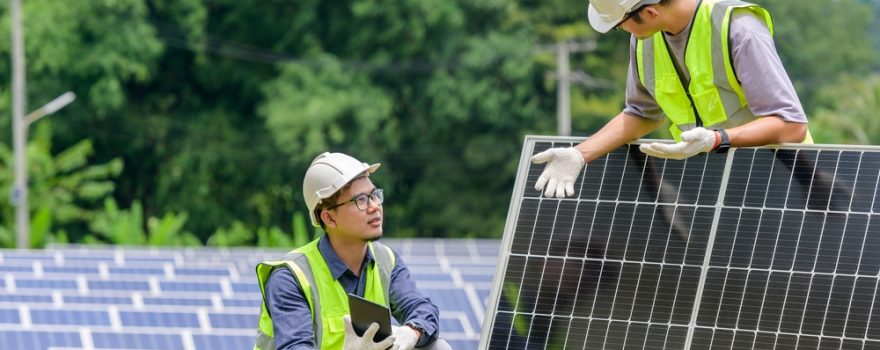
Solar construction is an attractive entry market because developers face tight schedules, remote locations, heavy equipment, and recurring labor shortages. Gritt says a crew supported by its system can install several times more panels per day than a conventional eight-person team. If those results remain consistent across different terrain and weather conditions, automation could materially improve project economics.
The harder test will come with scale. Rented machines must operate reliably, replacement parts must be available, and software must behave safely around workers. Competitors building integrated hardware may ultimately achieve better performance or lower operating costs.
Gritt’s wager is that intelligence will become more valuable than the machine carrying it. If correct, the company could evolve from a solar installer into an operating system for automated construction.

 Get in Touch