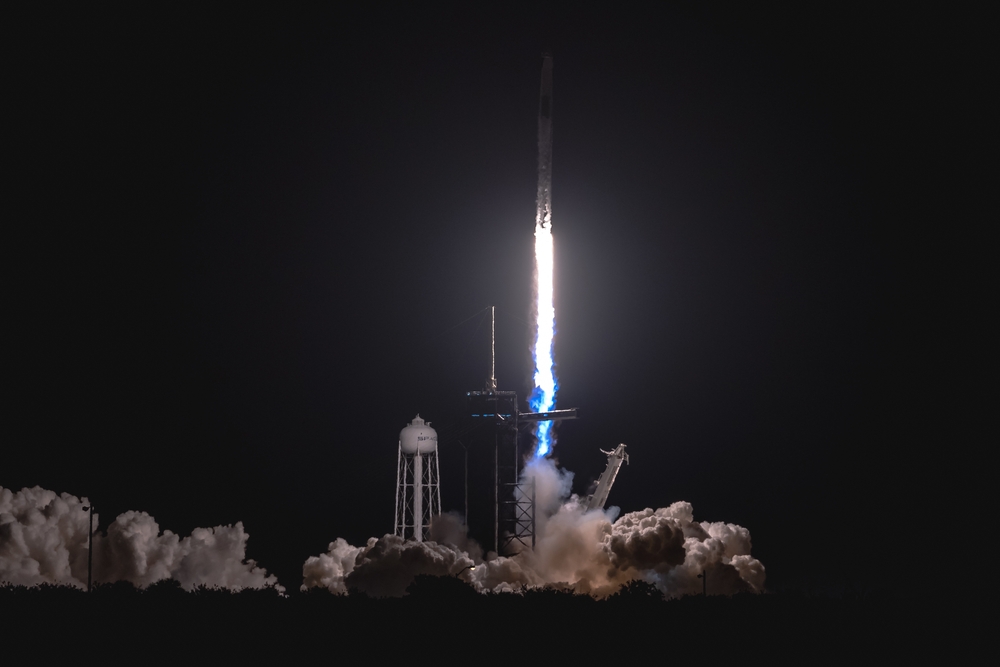
The orbital integration of Starship represents a seismic shift in global telecommunications economics. While aerospace headlines focus on spaceflight engineering, financial analysts recognize this flight as the foundation of an unprecedented satellite broadband moat.
By achieving orbital insertion and deploying next-generation Starlink payloads, SpaceX addresses its primary operational bottleneck: payload volume constraints per launch vehicle.
The Orbital Infrastructure Moat
The economics of low Earth orbit (LEO) megaconstellations depend strictly on cost-per-kilogram deployment efficiency. Prior legacy vehicles forced severe compromises between satellite weight, solar power array sizing, and transceiver throughput.
Delivering dozens of heavy-class satellites in a single mission radically lowers unit transit overhead compared to multi-launch campaigns on smaller vehicles. Lowering launch expense frees up capital for next-generation hardware development, creating a competitive barrier that geostationary operators and regional LEO peers struggle to match.
Financial Dominance in LEO
With high valuation benchmarks and profitable connectivity operations, SpaceX leverages vertical integration to price out competitors relying on commercial launch vendors. The ability to deploy high-throughput constellations at scale creates network effects that legacy satellite providers cannot easily replicate.
Source: https://www.cnbc.com/2026/09/28/spacex-prepares-to-send-starship-rocket-to-orbit-for-first-time.html

 Get in Touch